Paul’s Expectation of an Imminent Return: A Re-Examination of Early Christian Prophecy
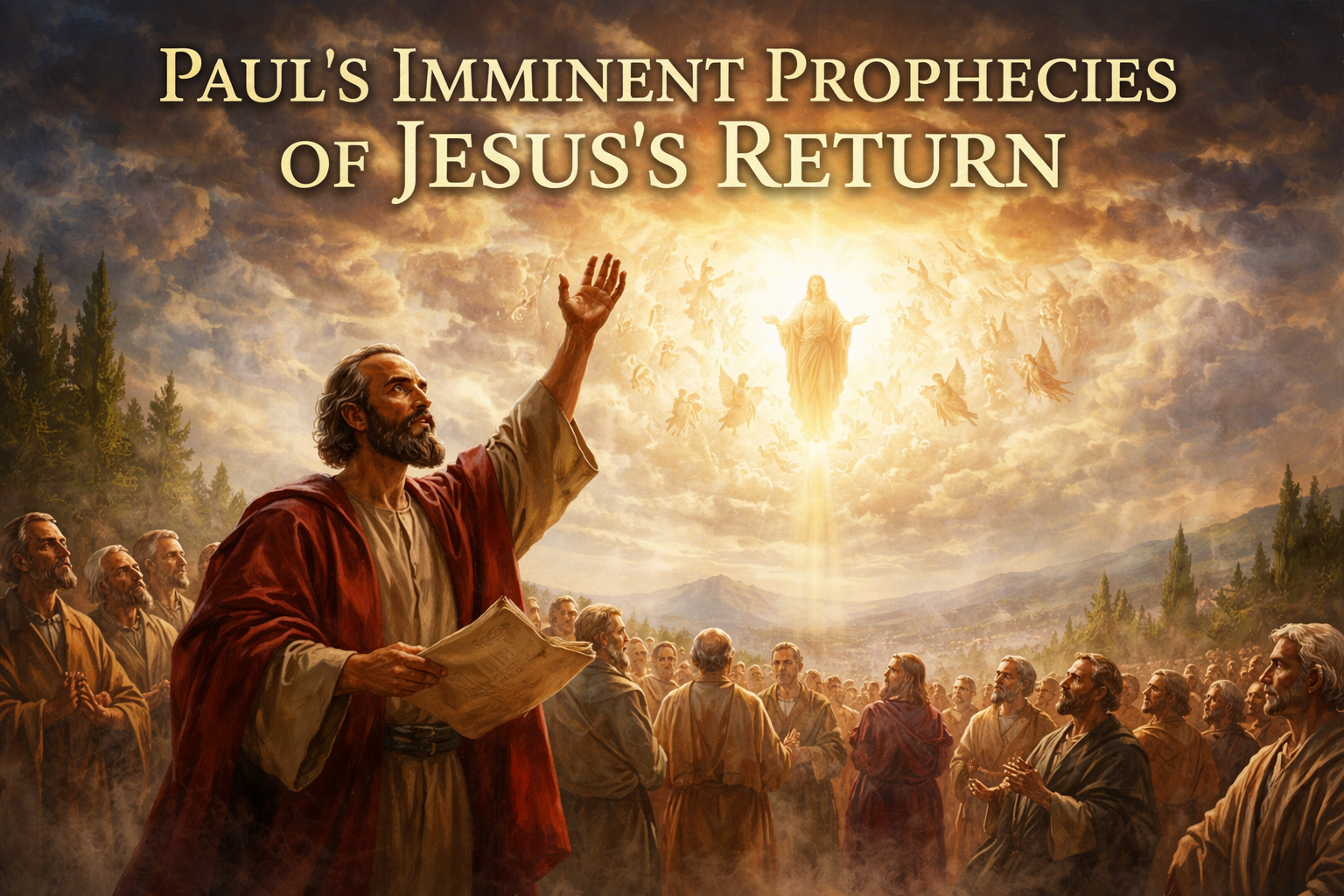
One of the most significant and often unexamined tensions in early Christian theology centers on the expectation of an imminent divine intervention. A close reading of early Christian writings reveals a strong and repeated belief that the end of the age and the return of Jesus were expected to occur within the lifetime of the first generation of believers. This expectation is especially evident in the letters attributed to Paul, where urgency and immediacy are recurring themes.
This article explores those writings, examines their original context, and considers the implications of prophecies that did not unfold as anticipated.
The Expectation of Immediacy
Throughout Paul’s letters, there is a consistent sense that the present world order was nearing its conclusion. This belief was not subtle or symbolic; it shaped ethical guidance, life choices, and communal priorities.
In 1 Corinthians 7:29–31, Paul advises believers that “the appointed time has grown very short” and that “the present form of this world is passing away.” Because of this urgency, he encourages people to live as though long-term social structures—marriage, possessions, and normal pursuits—were no longer central. Such counsel only makes sense within a framework where the end was believed to be close at hand.
Similarly, 1 Thessalonians 4:15–17 describes the anticipated return of Jesus using inclusive language: “we who are alive, who are left.” This phrasing strongly suggests that Paul believed he and many of his contemporaries would personally witness this event.
For a first-century audience, these statements would have communicated a clear and direct expectation: the culmination of history was imminent.
The Problem of Unfulfilled Prophecy
As time passed and generations came and went, the anticipated return did not occur. This created a theological crisis. If these statements were meant literally—and were understood literally by their original audience—then their non-fulfillment demanded explanation.
Rather than acknowledging a mistaken expectation, later theological responses reframed the issue. Delay was explained as part of a larger divine timeline rather than a failed prophecy. This reinterpretation shifted the meaning of “soon,” “near,” and “at hand” away from their ordinary human understanding and into a metaphorical or timeless framework.
However, such explanations arise only after the expectation failed to materialize. From a historical perspective, they function as retrospective solutions rather than original intent.
Reframing the Delay
Later writings within the Christian tradition explicitly address doubts arising from the delayed return. These texts attempt to reassure believers that the promise had not failed, arguing instead that divine time does not operate by human standards.
While this reframing preserved theological continuity, it also highlights the underlying issue: the original expectation was widely shared, clearly stated, and ultimately unmet within the anticipated timeframe.
Implications for Authority and Interpretation
If Paul genuinely believed the end would come within his lifetime—and shaped his teachings around that belief—then important questions follow. Were these statements conditional hopes, mistaken assumptions, or prophetic claims presented with certainty? And if they were mistaken, what does that mean for how these writings are understood today?
Rather than dismissing these questions, examining them openly allows for a more honest engagement with early Christian history. It also encourages readers to distinguish between faith, expectation, interpretation, and later doctrinal development.
Conclusion
The writings attributed to Paul reflect a worldview shaped by urgency and expectation. The belief that the end was near was not peripheral—it influenced ethical instruction, community structure, and personal decisions. When the anticipated events did not occur, theological reinterpretation followed.
Understanding this sequence does not require dismissing faith, but it does require acknowledging history. By examining these texts in their original context, readers gain a clearer picture of early Christian belief and the evolution of theology over time.