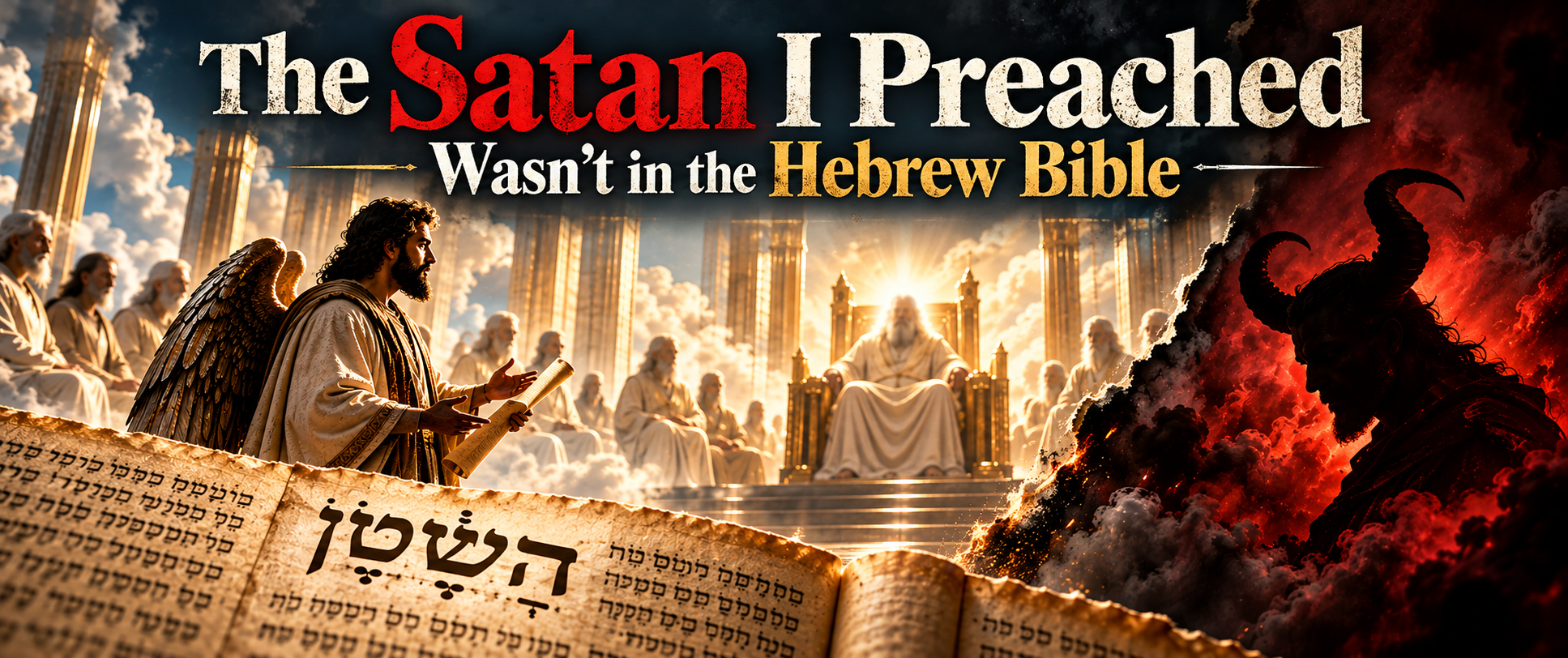
The Satan I Preached Wasn't in the Hebrew Bible
After 25 years preaching, I discovered Satan's true identity in ancient Hebrew texts.
After 25 years preaching, I discovered Satan's true identity in ancient Hebrew texts.
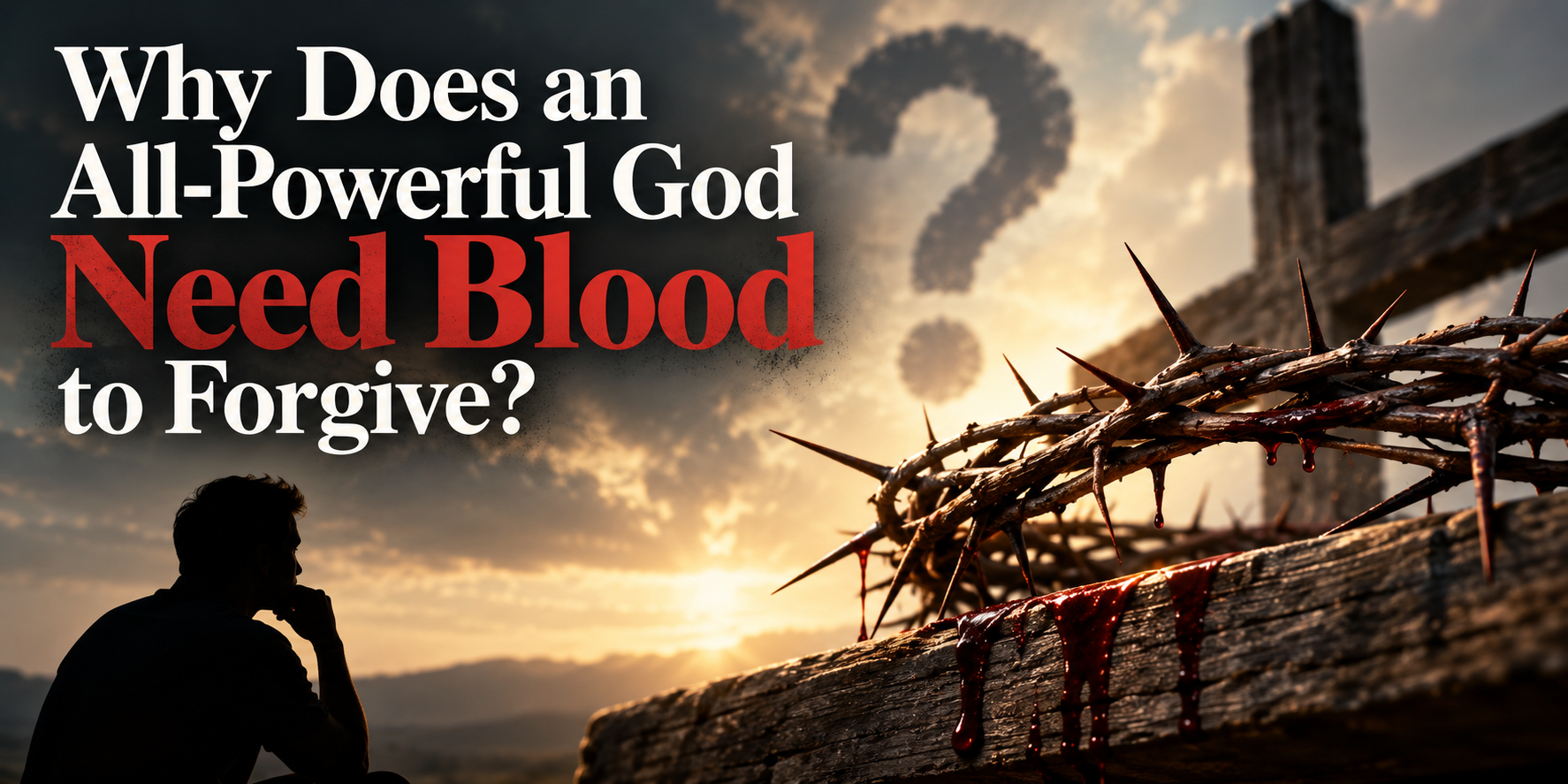
One simple question about blood sacrifice left my Christian uncle speechless for the first time.
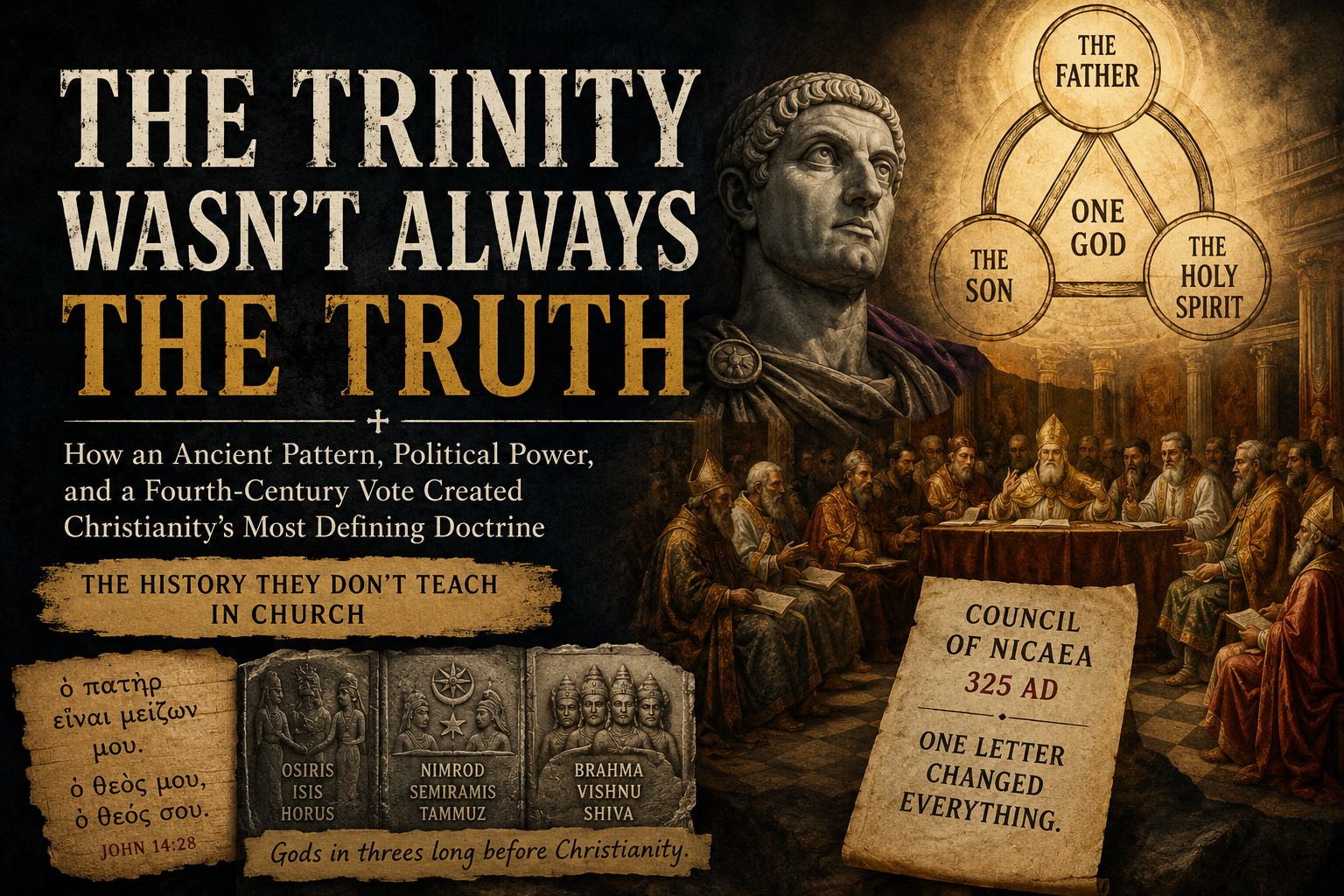
The Trinity appears nowhere in early Christian writings. Here's what history reveals.
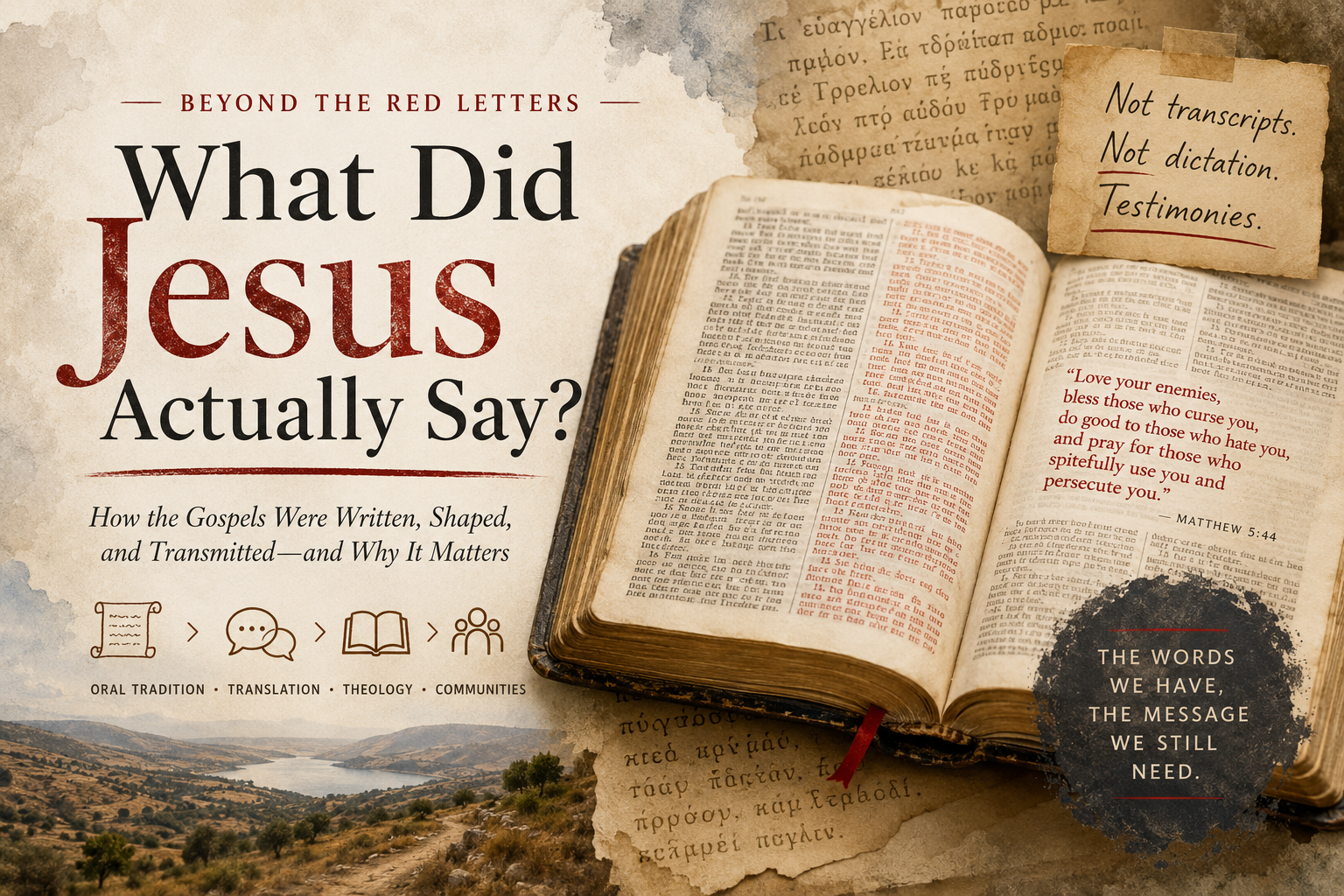
The red letters in my Bible used to feel sacred until I learned what scholars know.
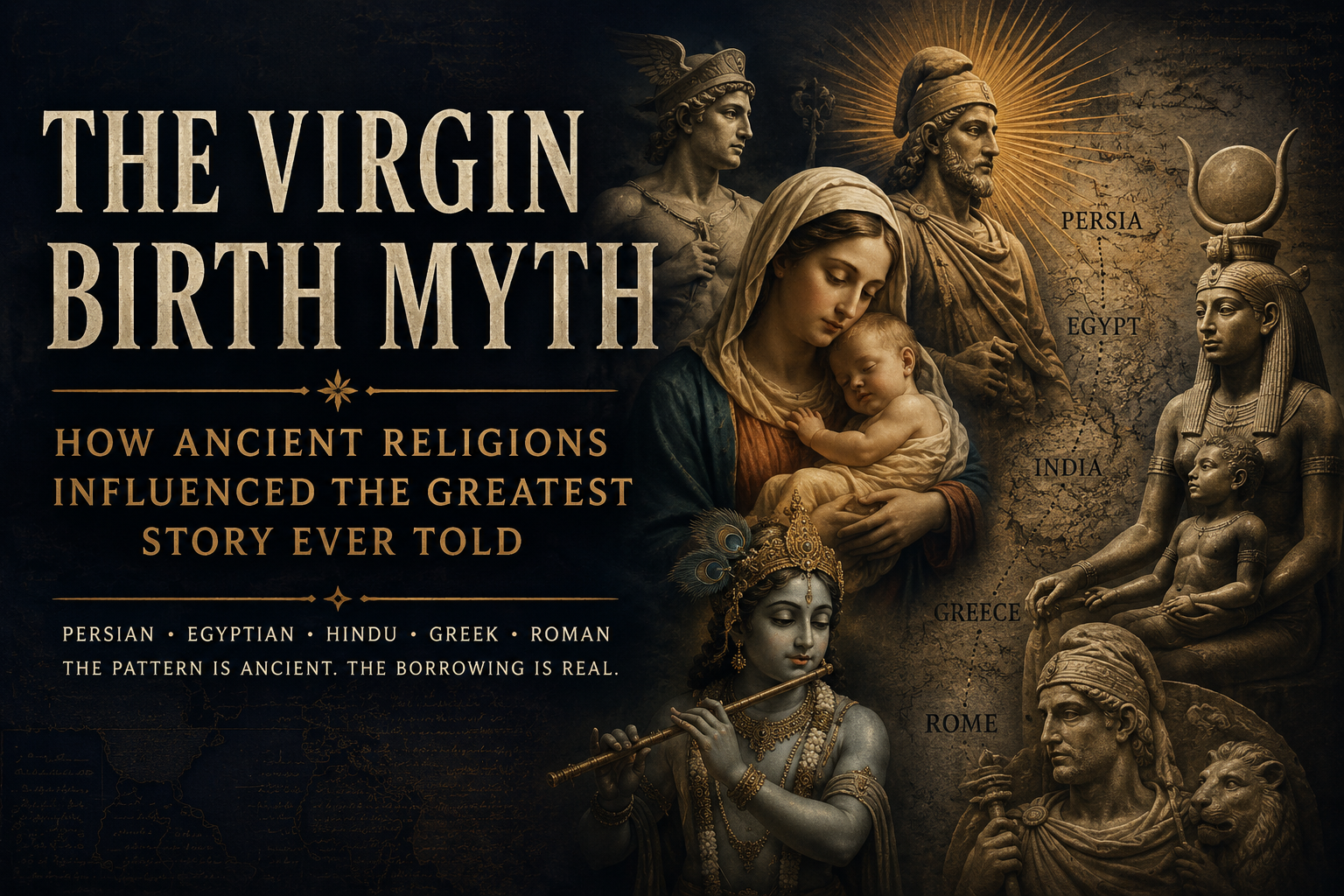
Two decades of research reveals the virgin birth story appears across ancient worlds.
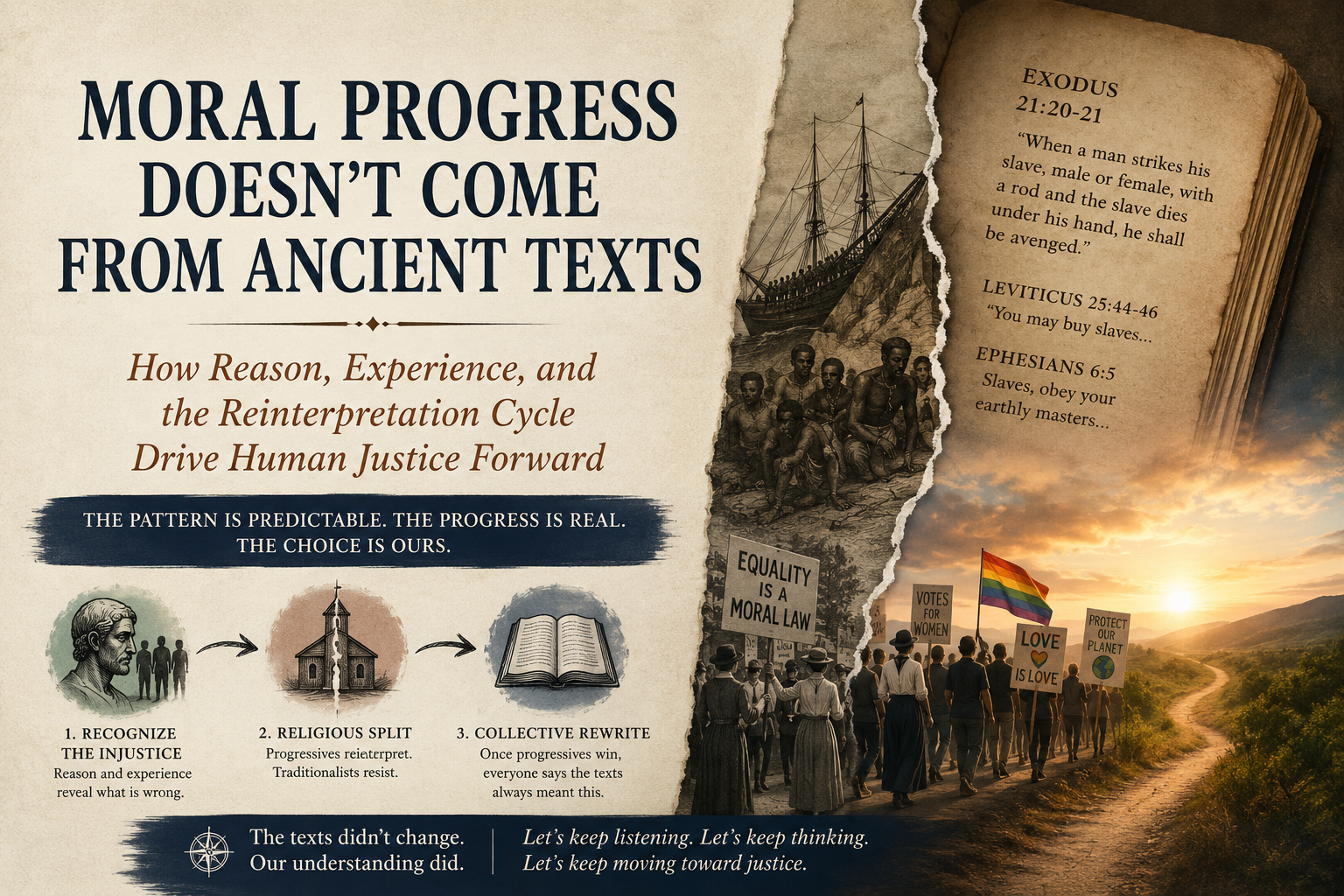
Moral progress follows a pattern: reason reveals injustice, then texts get reinterpreted.
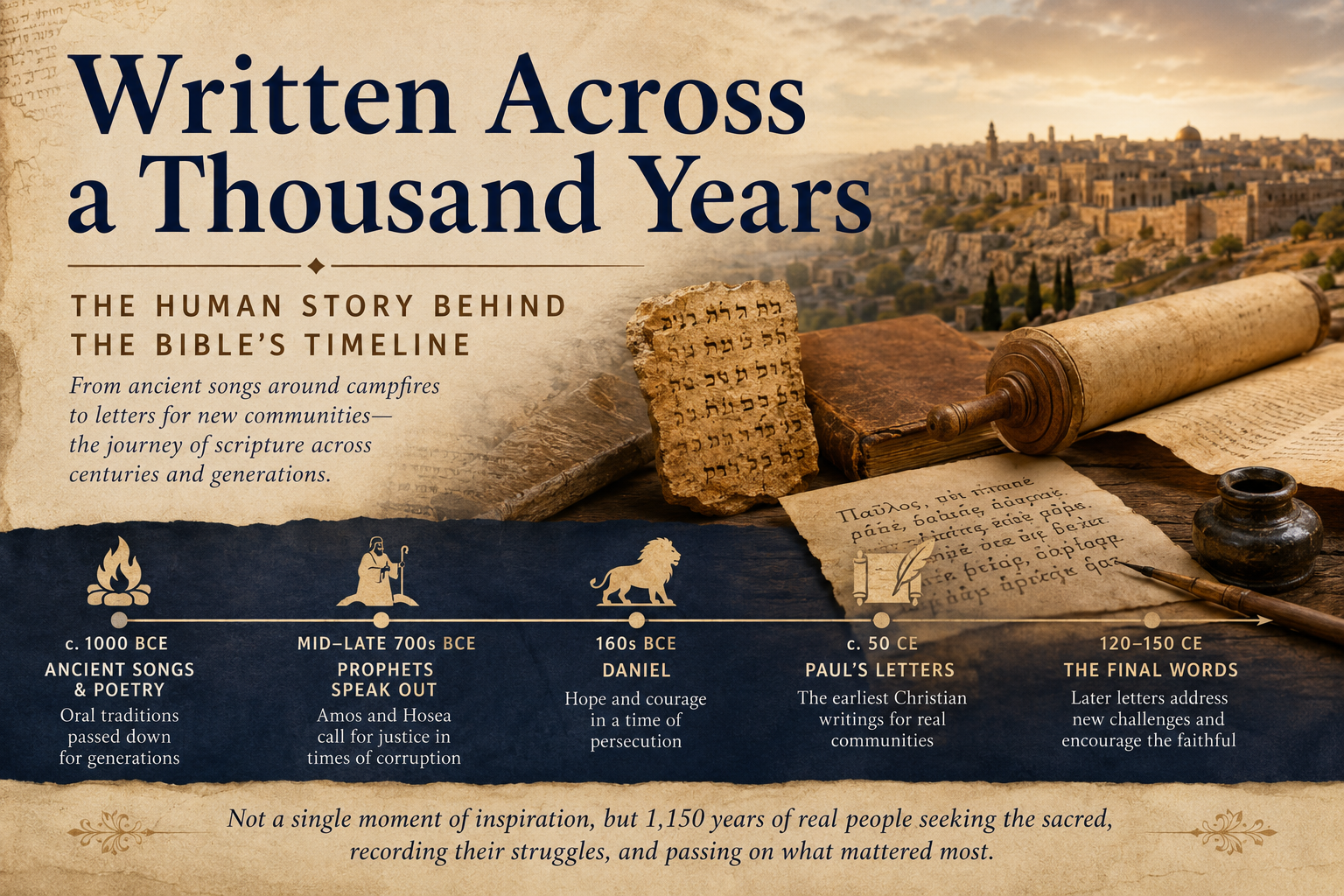
The biblical books weren't written in order and span over a thousand years of history.
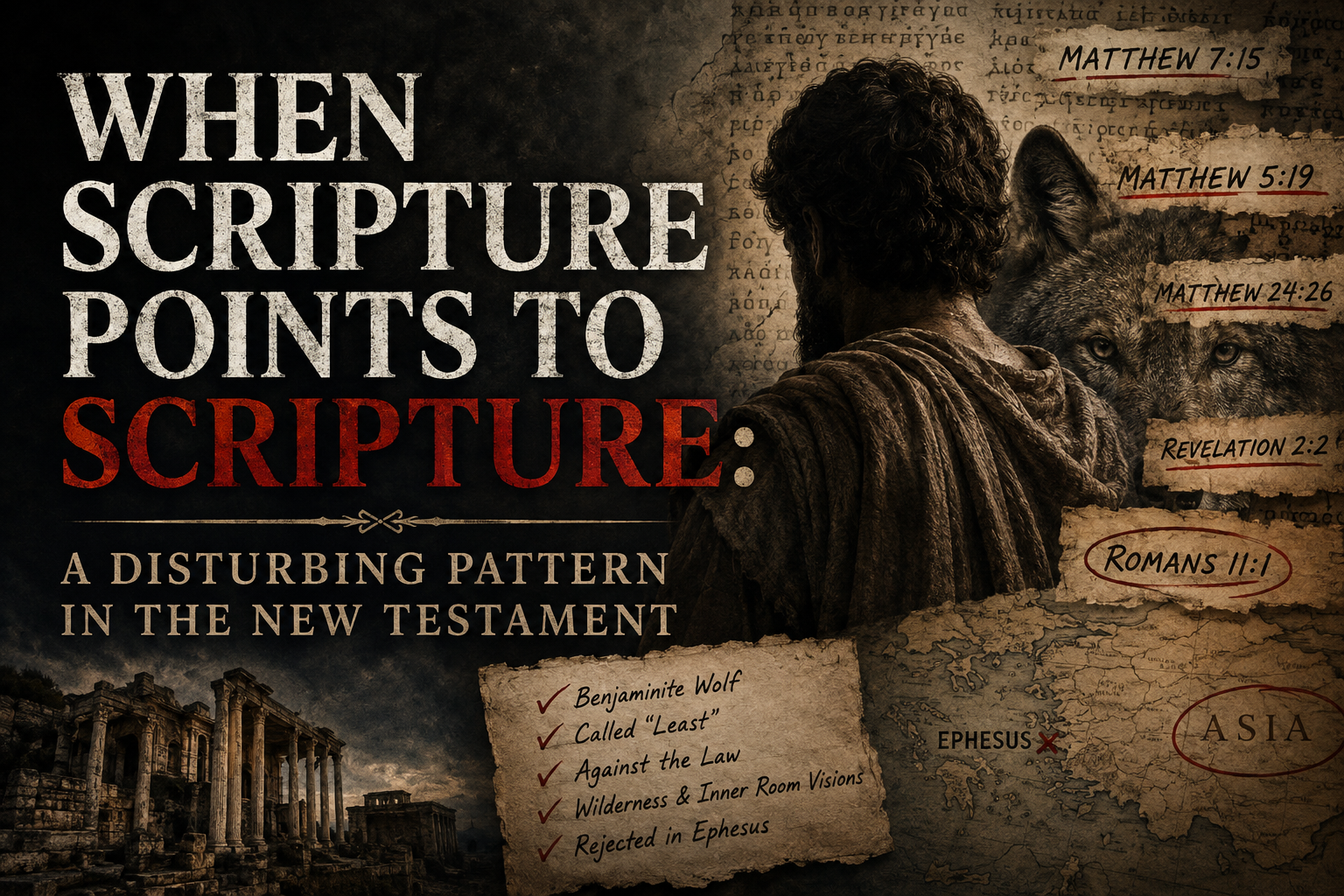
A startling analysis of how Jesus's specific warnings may point directly to Paul himself.